Gardeners Rotherhithe: Recycling and Sustainability
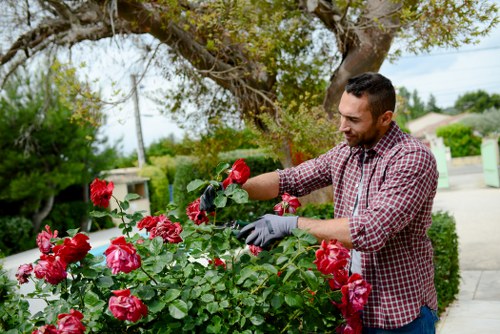 Gardeners Rotherhithe champions an eco-friendly waste disposal area and a sustainable rubbish gardening area that supports biodiversity, reduces landfill and helps the whole neighbourhood embrace low-carbon living. Our approach balances practical waste separation for urban gardeners with community reuse and low-emission logistics so that every green patch in Rotherhithe contributes to a circular, resilient borough.
We set a clear recycling percentage target: 65% of garden and green waste recycled or reused by 2030 across our projects and partner sites. This target aligns with the wider borough ambitions and encourages Rotherhithe gardeners, community plots and allotments to separate materials at source — from compostable green waste to plastics and metals from potting mixes and planters.
Eco-friendly waste disposal areas
Designing disposal zones for small urban gardens means distinct bins and clear signage so soil, woody material, food scraps and reusable containers are sorted immediately. We mirror the boroughs' approach to waste separation: food caddies for organic waste, separate sacks or bins for garden cuttings, and dry recycling streams for glass, metals and mixed recyclables.Local transfer stations and collection logistics
Local transfer stations play a key role in moving material efficiently from the community to processing facilities. We work with nearby facilities including the Southwark Transfer Station and Thameside transfer hubs to ensure green waste goes to composting sites and reusable materials are routed to sorting centres. These partnerships reduce double-handling and vehicle miles.Our sustainable rubbish gardening areas are laid out to encourage reuse and reprocessing: designated soil amendment bays, woodchip piles for mulching, and collection points for old clay pots, broken tools and textiles. A simple on-site scheme reduces contamination and helps volunteers and gardeners see the immediate benefits of sorting waste correctly.
 What we accept includes garden cuttings, leaves, small woody branches, untreated timber, food waste from onsite composters, recyclable pots and trays, and textiles suitable for reuse. We discourage mixing compostables with plastics and aim to keep green waste streams clean to produce high-quality compost for community beds.
Partnerships with charities and reuse networks
We partner with local reuse charities and community organisations to divert reusable items from landfill. Collaborations include:- Community composting projects and volunteer-run schemes that turn green waste into soil improvers
- Local reuse charities that accept tools, pots and furniture for refurbishment and resale
- Social enterprises that redistribute surplus soil amendments and donated materials to community growing spaces
These partnerships not only reduce waste but also create social value by supporting training and local employment in circular-economy roles.
Low-carbon vans and green logistics
Our collection fleet prioritises low-emission vehicles. We use a mix of electric vans, hybrid trucks and cargo e-bikes for small collections in narrow streets. This reduces air pollution in Rotherhithe and lowers the carbon footprint of moving garden waste to transfer stations. Regular route optimisation and consolidated pick-ups further minimise mileage.To keep emissions down, load consolidation is monitored and reported quarterly. Performance indicators include vehicle-kilometres saved, percentage of collections completed by electric vehicles, and reduction in diesel consumption compared to baseline figures.
 Community participation is crucial: residents and Rotherhithe gardeners are encouraged to separate waste, use community composters, and bring reusable items to arranged collection days. Educational signage, seasonal workshops, and volunteer shifts ensure the system works in practice and helps reach our recycling target.
Monitoring and transparency underpin our sustainability pledge. We publish annual summaries of diversion rates, contamination levels, and progress toward the 65% recycling target. Data helps refine which materials need clearer separation and which local transfer stations offer the best outcomes for different waste streams.
Practical tips for gardeners in Rotherhithe:
- Use a separate caddy for food scraps and local compost sites for garden cuttings.
- Keep wood and treated timber separate; untreated wood can often be chipped for mulch.
- Donate usable tools, pots and planters to partner charities instead of discarding them.
By combining thoughtfully designed eco-friendly disposal areas, close ties to local transfer stations, charity partnerships and a low-carbon collection fleet, Gardeners Rotherhithe aims to set a local standard for sustainable rubbish gardening and circular waste management. Together with residents and community groups we can turn green waste into a resource for local soils and livelihoods.
Long-term ambition: a resilient, low-waste Rotherhithe where community gardens and allotments are models of sustainable practice and every tonne of green waste is an opportunity to rebuild urban soil and strengthen neighbourhood food growing.
Join the effort — sort at source, support reuse partners and look out for low-carbon collection days in your area to help us meet our recycling goals and protect Rotherhithe’s green spaces.

